
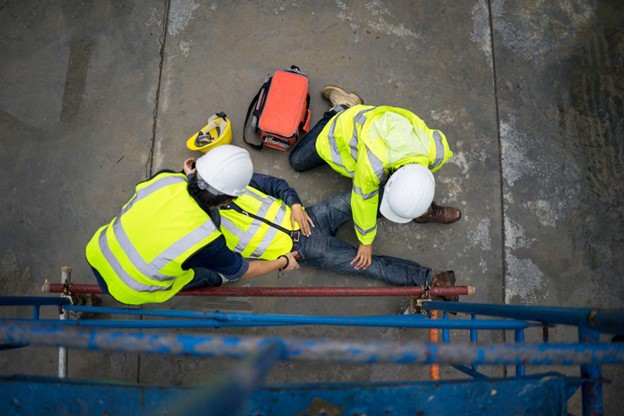
 If you’re injured on a construction site, you may be entitled to compensation through your provincial Workers’ Compensation Board (WCB), along with possible legal action if negligence is involved. Your rights depend on where the incident happened, your employment type, and how the accident occurred. Reporting, documenting, and seeking medical attention protects your health and strengthens your claim.
Before You File a Claim: Why Construction Sites Are High-Risk
Construction is one of Canada’s most dangerous industries. From high ladders to heavy machinery, hazards are everywhere. Even small mistakes, like failing to secure a scaffold or misusing a tool, can lead to life-changing injuries. Many injured workers are unaware of the extensive protection the law provides. Others wait too long to report the accident, weakening their case.
If you act quickly and know your rights, you can recover, not just physically, but financially.
Your Rights After a Construction Site Injury
What Injuries Are Covered?
Most worksite injuries qualify for compensation if they happen during your duties or as a result of your work. These include:
- Broken bones from falls
- Back or shoulder injuries from lifting
- Cuts or amputations from machinery
- Electrical burns
- Traumatic brain injuries from debris
- Long-term conditions like carpal tunnel or hearing loss
Even repetitive strain injuries or mental health conditions caused by trauma may qualify.
Can You Sue or Is It Just Workers’ Comp?
Most provinces require employers to carry workers’ compensation, which replaces the right to sue in most cases. But there are exceptions:
- If a third party (like an equipment manufacturer) caused the injury, you can file a lawsuit
- If your employer was grossly negligent, some legal action may still be possible
- Independent contractors might have different options based on their agreement
In situations like these, speaking with a lawyer can help clarify your legal path. Dunlap Injury Law can review your case and determine whether you may be eligible to sue for additional compensation beyond workers’ comp.
Reporting Steps to Secure Your Claim
Missing a deadline can cost you your benefits. Here’s what to do:
- Tell your supervisor immediately and ask for a written report
- Get medical attention and tell the doctor it was a work injury
- File a claim with your province’s WCB (in Alberta, that’s WCB-Alberta)
- Keep copies of everything—emails, letters, reports, X-rays
In most provinces, claims must be filed within 1 to 6 months, so don’t wait.
Union vs. Non-Union Job Site Rights
Unionized construction workers often get better protection:
- Dedicated reps to help with claims
- Better safety protocols
- Shorter wait times for benefits
Non-union workers may have to fight harder. In these cases, proper documentation and possibly legal advice become even more important.
What To Do After a Worksite Injury

First Steps You Should Take
- Get to a hospital or clinic as soon as possible
- Don’t minimize your pain—describe every symptom
- Notify your employer and ask for their reporting process
- Avoid returning to work until you’re cleared by a doctor
Even a minor delay in treatment or reporting can be used against you.
Documenting the Scene and Evidence
To support your claim:
- Take photos of the site, equipment, and visible injuries
- Ask coworkers to write statements
- Keep notes of what happened, who saw it, and what you were doing
- Save texts or emails related to your schedule or employer communications
This evidence could be critical if your claim is denied or if further legal action is needed.
What to Say (and Not Say) to Insurers
Say:
- “I was injured doing [task] at [location] on [date]”
- “Here’s my doctor’s report and the accident documentation”
- “I’m following medical advice and resting”
Don’t say:
- “It’s probably nothing”
- “I’ve had back issues before” (unless medically required)
- “I’m fine to return”—unless cleared
Insurers may try to minimize payouts—be consistent, factual, and careful.
When Hiring a Lawyer Makes Sense
Consult a workplace injury lawyer if:
- Your claim is denied or delayed
- You’ve suffered a long-term or permanent injury
- You suspect unsafe work conditions led to the accident
- You’re unsure if you’re covered as a contractor or subcontractor
Lawyers specializing in construction injury law often work on contingency, meaning you pay only if you win.
What Happens Next? Future Claims, Return to Work, and Support
After a claim is accepted:
- You’ll receive wage replacement, usually up to 90% of your average earnings
- You may be offered modified duties or gradual return-to-work plans
- Some workers qualify for vocational training if they can’t return to the same job
- Permanent disability benefits may apply in serious cases
Stay in communication with your case manager, employer, and doctor. And if something doesn’t feel right, get advice.
Protect Your Paycheck, Your Health, and Your Future
Construction work is physically demanding, and injury is always a risk. But you’re not powerless.
Your employer has legal obligations. So does the WCB. And you have rights—real ones that protect your wages, your recovery, and your ability to move forward.
Don’t ignore pain, don’t delay reporting, and don’t try to tough it out. The sooner you take action, the stronger your claim and the faster your recovery.